Why Cirrus
Learn in the airplane built around safety
We chose Cirrus because it's the most advanced single-engine piston airplane you can train in. Every lesson at Take Angels flies in a new G7+ with a whole-airframe parachute, Safe Return Emergency Autoland, a Garmin glass cockpit, and a cabin that feels more like a car than a trainer.
01 · Safety
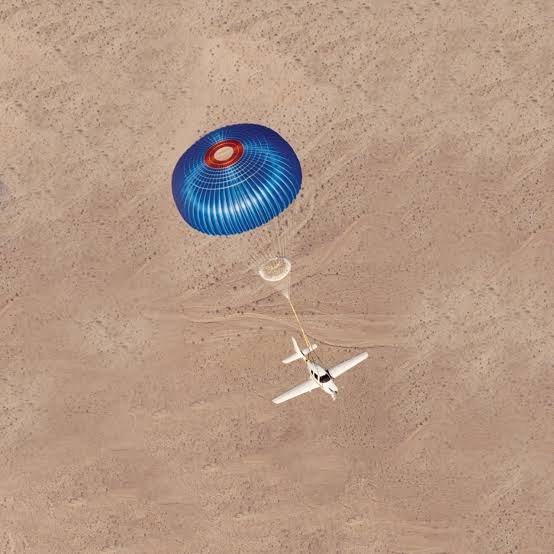
A parachute for the whole airplane
The Cirrus Airframe Parachute System (CAPS) has been standard on every Cirrus since 1999. If something goes seriously wrong, like an engine failure over trees or water, a pilot problem, or loss of control, one pull of the red handle lowers the entire airplane and everyone in it to the ground under a canopy.
Saves and survivors per the Cirrus Owners & Pilots Association, as of August 2026.
Safe Return Emergency Autoland
If the pilot becomes incapacitated, anyone on board can press the red Safe Return button in the cabin ceiling. The airplane then flies itself to the nearest suitable airport and lands. It can also activate on its own if it senses the pilot has become unresponsive or hypoxic.
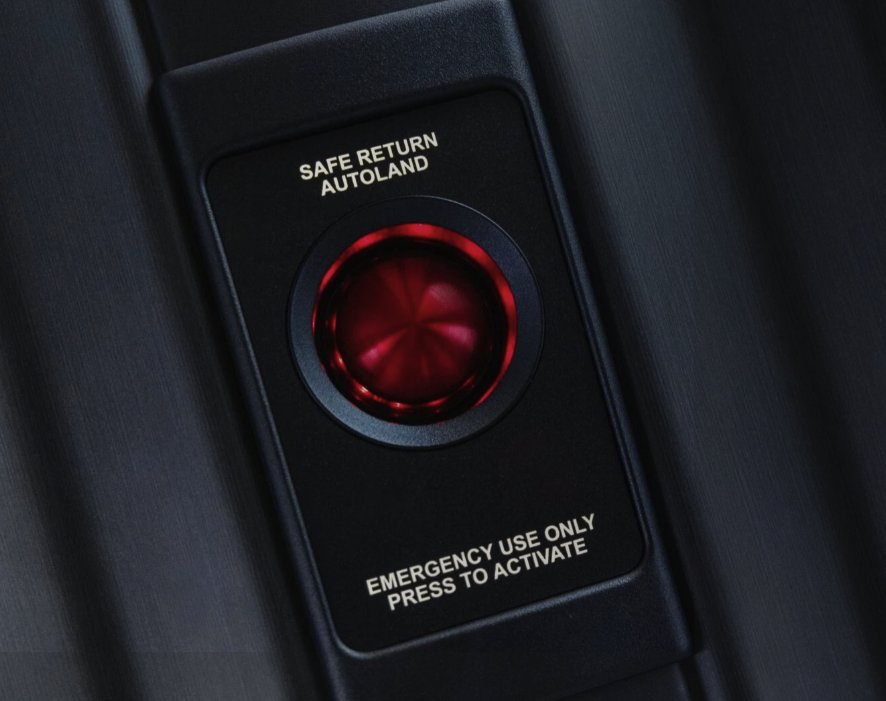
Both Take Angels aircraft have it. Our SR20 G7+ (N84MH) and SR22 G7+ (N658TA) are each equipped with Safe Return.
What happens after one press
- Levels offAutopilot engages, with a 10-second window to cancel.
- Picks an airportChooses the nearest suitable runway, weighing length, weather and terrain.
- Talks to ATCSquawks 7700 and makes the emergency radio calls.
- Flies the approachDescends, configures flaps and follows GPS guidance to the runway.
- Lands and stopsFlares, brakes to a stop and shuts down the engine.
- ESP
- Electronic Stability & Protection
- Synthetic vision
- See terrain in any weather
- Runway awareness
- Runway Occupancy Awareness
Gently nudges the airplane back toward stable flight before it gets into a steep bank, stall or overspeed.
A 3D view of terrain, obstacles and runways on the primary display, day or night, VFR or IFR.
G7+ avionics can alert you to a possible runway incursion before you take the runway.
02 · Speed
More places in less time
A Cirrus covers ground faster than traditional trainers, so cross-country lessons reach farther and trips that take a day by car turn into an afternoon.
| Aircraft | Engine | Max cruise | Max range | Useful load |
|---|---|---|---|---|
| SR20 G7+N84MH · primary trainer | 215 hp | 155 KTAS | 709 nm | 1,003 lb |
| SR22 G7+N658TA · flagship | 310 hp | 183 KTAS | 1,169 nm | 1,328 lb |
MANUFACTURER FIGURES · RANGE AT 55% POWER · ACTUAL PERFORMANCE VARIES WITH LOADING AND CONDITIONS
About 25 min
Watertown to Syracuse, compared with about an hour and 15 minutes on I-81.
Under an hour
Albany in an SR22, versus about three hours by car.
Train farther
Long cross-country requirements fly to more interesting places in the same Hobbs time.
FLIGHT TIMES ARE APPROXIMATE, SR22, NO WIND CONFIRM
03 · Comfort
A cabin you'll want to spend hours in
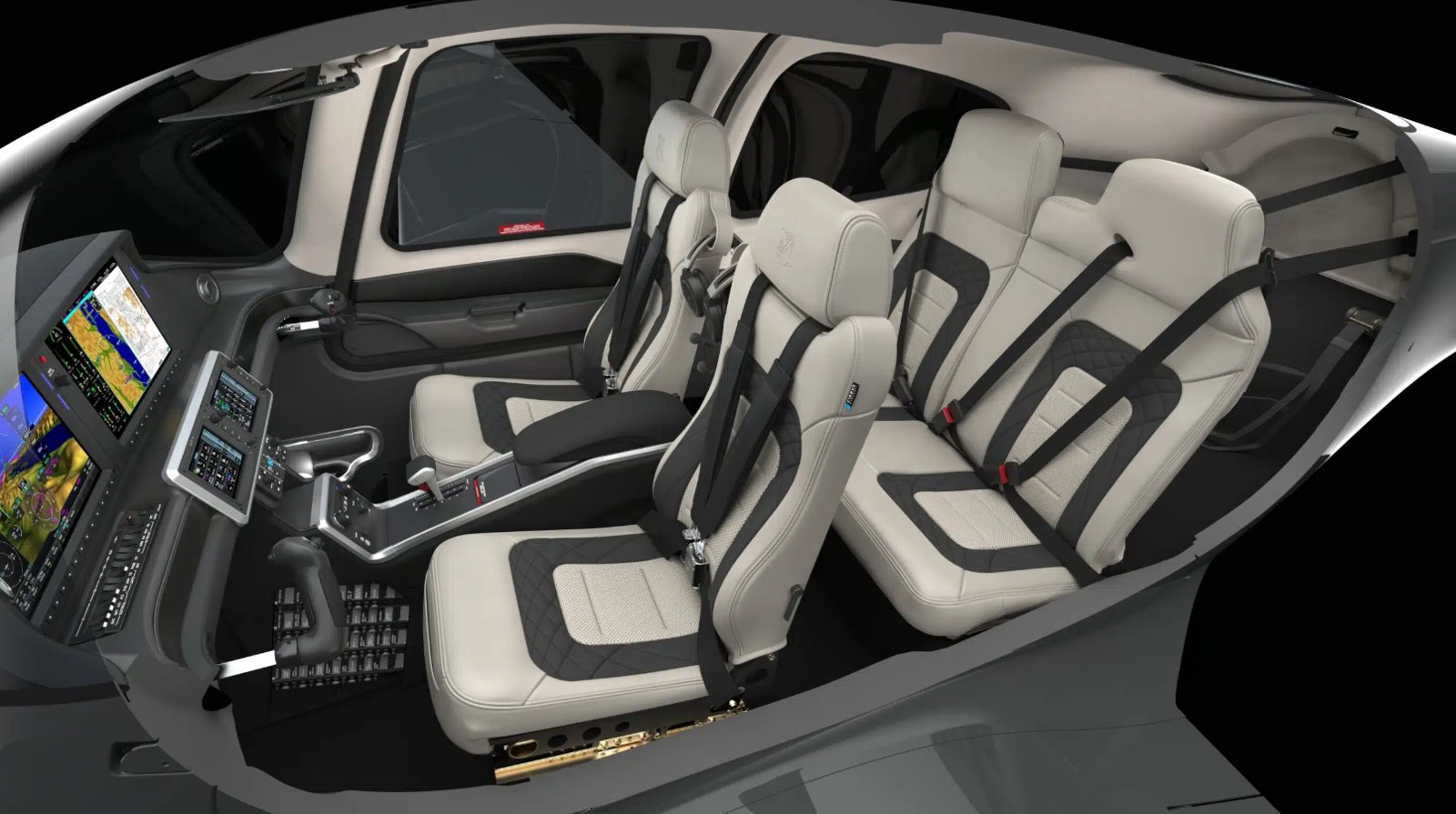
Cirrus borrowed from the car world: wide doors on both sides, leather seats, and controls that fall where your hands expect them. You'll stay fresher on long lessons and your passengers will want to come back.
Air conditioning and heat
Cool air on a humid July afternoon, real heat on a January morning at KART. Both Take Angels Cirrus have factory air conditioning and cabin heat with automotive-style controls.
- Entry
- Doors on both sides and a low step. No climbing over the wing or the other seat.
- Controls
- Side-yoke instead of a column in your lap, plus push-button start
- Seats
- 60/40 split rear seats for bags or a third passenger
- Power
- Powered headset jacks and lighted USB-C ports at every seat
04 · Technology
Train on the same glass you'll fly for a career
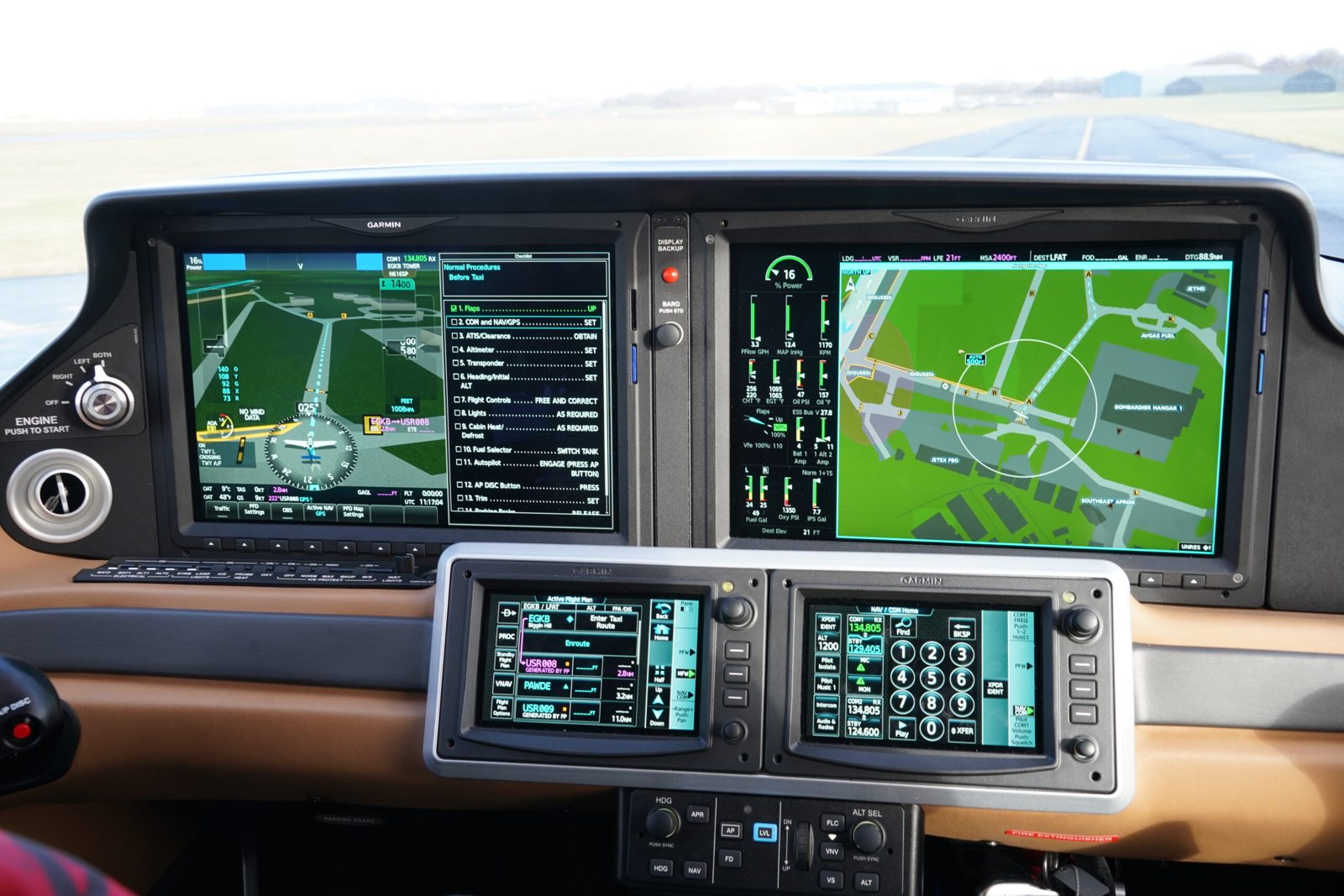
Every Take Angels Cirrus has the Garmin-based Cirrus Perspective Touch+ flight deck, with large high-resolution displays and touchscreen controllers. Learning on modern avionics from day one means building habits that carry into any cockpit you fly next.
- Flight deck
- Perspective Touch+ with dual Garmin touch controllers
- Autopilot
- Full-featured autopilot with GPS and ILS approach coupling
- Checklists
- Checklists that open automatically with the matching alert
- Systems
- Synoptic pages that show engine, fuel and electrical status at a glance
- Data
- Split-screen maps, charts, weather and traffic side by side
Fly the airplane that brings you home.
See it for yourself. A discovery flight puts you in the left seat of a Cirrus G7+ with a Cirrus Standardized Instructor Pilot beside you. Already a pilot? Our Cirrus transition course gets you checked out to rent.